
Current location: ENGLISh > NEWS > Company News >
Protective and maintenance techniques for delicate components of copper gear pum
time:2026-06-21 08:46:46 author:特种泵阀 click:131
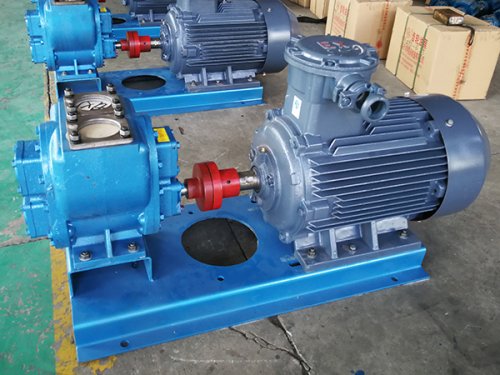
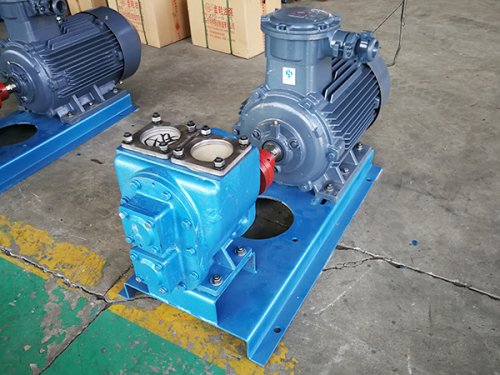
The core and delicate components of copper gear pumps require higher protection and maintenance requirements. Copper materials are soft and prone to wear, corrosion, and deformation. Protective maintenance can maintain the accuracy of component fit, extend the overall service life, ensure stable pump operation, and fully utilize the advantages of copper gear pumps in terms of corrosion resistance and smooth transmission.
The basic protection in daily operation is the core prerequisite for reducing the wear and tear of delicate components. It is necessary to start from the operating environment and operating habits to reduce unnecessary wear and tear. At first, it is necessary to strictly control the cleanliness of the inlet medium. Copper gears have a soft texture, and small hard particles entering the meshing gap can scratch the tooth surface and cause irreversible wear. Therefore, it is necessary to regularly clean the inlet filter to prevent impurities from accumulating into the pump chamber. If the filter is damaged, it should be replaced in a timely manner. Do not continue to operate with a damaged filter, and do not allow media containing hard particles to enter the pump body. If the impurity content in the conveying medium is high, the filtration device should be upgraded to increase the filtration accuracy and block the risk of particle wear from the source.
During operation, pressure and load should be strictly controlled, and long-term overload operation should be avoided. Overpressure will increase the force on gear meshing, accelerate tooth surface wear, and cause deformation of copper gears, changing the original fit clearance. If the clearance is too large, it will increase internal leakage and reduce conveying speed. If the clearance is too small, it will intensify meshing friction, increase temperature quickly, and accelerate copper material wear. Stable control of output pressure is necessary for daily operation to avoid frequent and significant pressure fluctuations, reduce the alternating stress on gears, and lower the probability of tooth surface fatigue wear.
Controlling the operating temperature is also the key to protection. Copper materials have a high coefficient of thermal expansion, and high temperatures can cause gear expansion, resulting in reduced clearance and bite wear. At the same time, high temperatures can cause the lubricating oil to deteriorate and lose its lubrication effect. Therefore, continuous monitoring of the bearing and pump body temperature is necessary during operation. If the temperature rises abnormally, the cause should be investigated in a timely manner. If the cooling system is blocked, it should be cleared in a timely manner. If the lubricating oil is insufficient, it should be replenished in a timely manner to avoid damage to delicate components during long-term high-temperature operation.
Targeted protection in daily maintenance should be tailored to the characteristics of copper material, using appropriate maintenance methods to avoid damage caused by incorrect maintenance. Lubrication and maintenance should use suitable lubricating oil. Copper materials have high requirements for the oiliness of lubricating oil. Lubricating oil containing anti-wear additives should be used instead of ordinary low-quality lubricating oil. Poor quality lubricating oil cannot form a stable oil film and will aggravate tooth surface wear. Regularly check the quality of lubricating oil. If the oil changes color, produces metal debris, or thickens and deteriorates, replace it in a timely manner. When replacing, clean the oil tank and oil circuit completely to avoid residual impurities and deteriorated oil contaminating the new oil.
Do not use lubricating oil with additives containing sulfur or chlorine, as these additives can corrode copper materials, causing corrosion spots on the tooth surface, gradually expanding into pits, damaging the smoothness of the tooth surface, and accelerating wear. The filter of the lubrication system should also be replaced regularly to ensure that the lubricating oil is continuously clean and to prevent metal debris generated by wear from circulating in the oil circuit and repeatedly wearing the tooth surface and bearings.
Rust prevention and corrosion prevention maintenance should be different from ordinary steel components. Although copper material is not afraid of atmospheric corrosion, it will still corrode when in contact with the medium. Targeted protection should be taken during storage. When stored idle for a long time, first clean all residual media inside the pump chamber, rinse with a clean neutral cleaning agent, blow dry, and evenly apply copper anti rust grease on the surface of the copper gear and shaft sleeve. Do not use ordinary steel anti rust grease, as additives in ordinary anti rust grease may corrode the copper surface. After applying, rotate the gear to evenly cover all meshing and mating surfaces with anti rust grease. Seal the pump chamber well, block the inlet and outlet, and prevent moisture and corrosive gases from entering.
The storage environment should be kept away from areas containing acidic and alkaline volatile gases. Acidic gases that come into contact with copper surfaces can produce copper green and damage tooth surface accuracy. Therefore, the storage area should be kept dry and ventilated, and should not be close to chemical material storage areas. In humid environments, desiccants should be placed inside the packaging to control the humidity inside the packaging and avoid condensation corrosion of copper components. If slight copper green is found on the copper surface, gently wipe it off with a fine polishing cloth in a timely manner, clean it thoroughly, and reapply anti rust grease. Do not use coarse sandpaper to polish, as coarse sandpaper will excessively damage the tooth surface and destroy the original accuracy.
The protection during the assembly and disassembly process is the key to avoiding human damage to delicate components. Copper components have a soft texture and can easily cause deformation and missing marks when bumped or knocked. Therefore, tools should be used during disassembly and assembly, and hard hammers should not be used to directly strike the gear end face and shaft face. When striking, soft wooden boards or copper blocks should be placed on top to avoid direct deformation under stress. The disassembled copper gear should be placed on a soft cushion frame, not directly on a hard ground or metal workbench, and should not be stacked with other hard parts to avoid damaging the tooth surface and mating surface.
During assembly, it is necessary to strictly control the fit clearance and not forcefully press fit. The fit between copper gears and shafts should be assembled according to the accuracy requirements. Forcefully press fit with excessive interference can cause gear cracking or deformation, affecting subsequent operational accuracy. During the assembly process, do not touch the meshing surface of the copper gear directly with your hands. Sweat on your hands will remain on the surface, causing rust. Clean cotton gloves can be worn during assembly to avoid direct contact with the machined surface.
Regular inspection and accurate adjustment can promptly eliminate hidden dangers and maintain component accuracy. Regularly check the gear mesh clearance and wear condition of the mating surface during daily maintenance. If slight wear is found, adjust the mating clearance appropriately, compensate for the wear amount, and maintain normal operation. If the wear is severe and exceeds the accuracy range, replace the copper gear in a timely manner. Do not continue to operate with problems, otherwise it will aggravate the wear of the shaft sleeve and bearing, causing greater faults. Check for pitting, scratches, and cracks on the tooth surface. Any minor damage in the early stages should be dealt with promptly to prevent the damage from expanding and causing the gear to be scrapped.
Regularly check the fitting accuracy of bearings and shaft sleeves. The wear of copper shaft sleeves can cause an increase in radial runout of gears, exacerbating tooth surface wear. Therefore, if the wear of the shaft sleeve exceeds the standard, it should be replaced in a timely manner to maintain the stability of gear operation. Do not neglect replacement just because the shaft sleeve is a small component, as the wear of small components can cause damage to the core components.
The protection and maintenance of detailed components of copper gear pumps are based on the physical and chemical properties of copper materials, reducing the causes of wear, corrosion, and deformation from the source. By combining daily protection, regular maintenance, and standardized operation, and implementing targeted techniques in each link, the fitting accuracy of components can be maintained, unnecessary losses can be reduced, the service life of detailed components can be extended, the long-term stable operation of copper gear pumps can be determined, and their performance advantages can be fully utilized to meet the needs of use.