

Current location: ENGLISh > NEWS > Company News >
Key maintenance points for small equipment of light oil pump
time:2026-06-13 08:39:36 author:特种泵阀 click:58
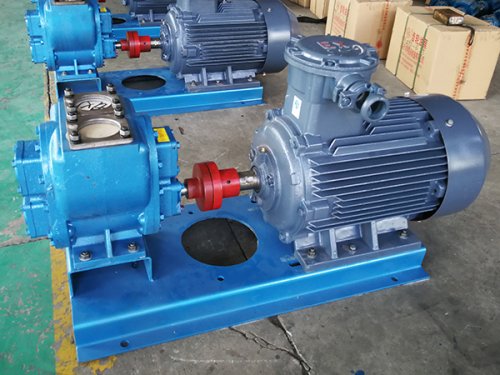
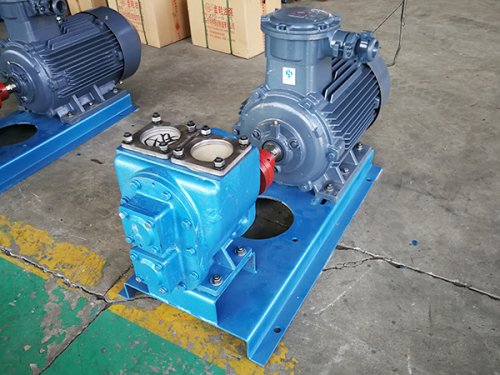
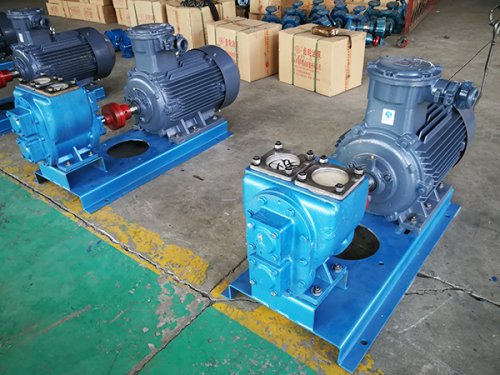
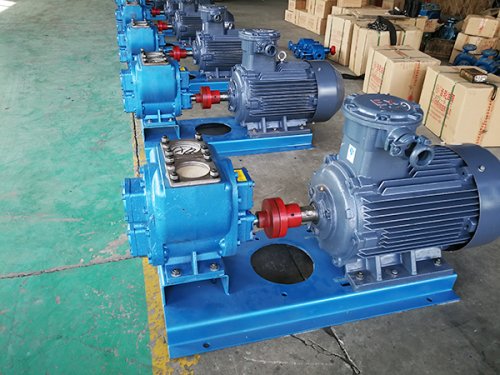
Small equipment such as light oil pumps have a compact structure and are easy to install. They are commonly used for the transportation and transfer of light oil products, and targeted maintenance and upkeep are the core of maintaining stable operation, extending service life, and avoiding stability hazards. These types of equipment are small in size and are easily overlooked for daily maintenance. Over time, small problems can develop into major failures. Combining their structure and usage characteristics, sorting out maintenance and upkeep points can reduce the risk of failures.
The basic inspection of daily inspections is a line of defense for maintenance. It is necessary to develop the habit of checking before and after use to eliminate hidden dangers in their early stages. Before each use, observe the appearance of the pump body and check if the base connecting bolts are loose. Small equipment can easily cause loose connections due to vibration during operation. Failure to tighten them in a timely manner can cause the pump body to shift, reduce coaxiality, and accelerate bearing and rotor wear. Check for leaks in the inlet and outlet connecting pipelines, aging and cracking of the interface seals. Light oil products have strong permeability, and small leaks can accumulate into stable hazards. If leaks are found, replace the sealing gasket and tighten the connecting bolts in a timely manner. Do not continue to use with leaks.
Check the sealing position of the shaft end to see if there is any oil leakage. If there is slight oil leakage, adjust the tightness of the sealing gland. If the oil leakage worsens, replace the sealing components in a timely manner to avoid the risk of fire caused by oil leakage. Check the power connection parts, couplings or belts for any abnormalities. For equipment driven by belts, check the tightness of the belts. Overly loose belts can cause slipping and loss of rotation, reducing the conveying speed. Overly tight belts can accelerate bearing wear. Improper tightness should be adjusted in a timely manner. Rotate the pump shaft by hand and feel if the rotation is smooth, whether there is any jamming, abnormal noise or blockage. If the rotation is not smooth, it may indicate that there are impurities stuck or bearings worn inside. Check and solve the problem before starting. Do not forcefully start to avoid damaging the components.
Dynamic monitoring during operation can promptly detect abnormal signals and prevent the expansion of faults. During operation, it is necessary to listen to the sound of the pump body. The normal operation sound should be uniform and smooth. If there are irregular abnormal noises, metal friction sounds, or impact sounds, the machine should be stopped immediately for inspection. Abnormal noises are often signals of internal bearing damage, component looseness, or impeller wear. Continuing to operate will cause component breakage, resulting in greater damage. Monitor the temperature of the pump body and bearings. If the temperature rises abnormally, stop the machine in a timely manner. Light oil itself has a low temperature, but insufficient lubrication and bearing wear can cause the temperature to rise. High temperature not only accelerates seal aging, but also increases oil volatilization and increases stability hazards.
Check the operating pressure and suction and discharge effect. If the inlet and outlet pressure drops and the oil suction is not smooth, it is likely that the inlet filter is blocked. The filter screen should be cleaned in a timely manner. Impurities blocking the filter can cause the pump body to be emptied, resulting in cavitation and damage to the impeller and pump casing. Small equipment filters have a smaller volume and are more prone to blockage, so it is necessary to increase the cleaning frequency. During the operation, do not leave the person. It is a long-term transfer operation, and the status should be checked regularly. If any abnormalities are found, the machine should be stopped and dealt with in a timely manner to avoid leakage or overload damage to power components caused by unattended operation.
Regular maintenance should be carried out on a periodic basis to address accumulated wear and tear in a targeted manner. Regularly clean the inlet filter, and clean the impurities on the surface of the filter screen after each use to avoid accumulation and blockage of impurities. If the filter screen is damaged, it should be replaced in a timely manner to prevent impurities from entering the pump chamber and scratching the impeller and sealing surface. Regularly check the lubrication status and replenish or replace lubricating oil as required. Small bearings have limited space and lubricating oil is prone to deterioration and loss. If the oil level is insufficient, timely replenish the same type of lubricating oil. If the oil quality turns black or dirty, replace it completely to ensure sufficient bearing lubrication and avoid dry wear and tear. Do not use inferior lubricating oil. Poor quality lubricating oil cannot form a stable oil film, which will accelerate bearing wear and shorten its service life.
Regularly inspect the sealing components. Light oil products have high requirements for sealing materials, which can easily lead to swelling and aging. After each cycle, disassemble and inspect the sealing components to find aging, deformation, and swelling, and replace them in a timely manner. Do not wait until the leakage is severe before dealing with it. Early replacement can avoid stable accidents caused by leakage. Regularly inspect the protective coating of the pump body. Small equipment that is frequently moved is prone to damage and paint peeling. The areas where paint peeling occurs should be promptly polished and coated with protective paint to avoid rusting of the metal casing and affecting structural strength.
Long term idle storage maintenance should be sealed and rust proof to avoid performance degradation during storage. Before stopping storage, the residual light oil in the pump chamber and pipeline should be drained, and the pump chamber should be rinsed with clean kerosene to remove residual oil and impurities. After drying, rust proof oil should be applied to the internal metal surface, and the pump shaft should be rotated to evenly cover all components with rust proof oil. Then, the inlet and outlet should be sealed with plugs to prevent moisture and impurities from entering. The exposed shaft extension end and connecting flange on the outside should be coated with anti rust grease, wrapped with anti rust paper, and stored in a dry and ventilated room. Do not place them in open or low-lying damp areas to avoid rusting internal parts. During storage, regularly rotate the pump shaft to change the stress position of the components, redistribute the anti rust oil, avoid long-term deformation of the seals under pressure, and prevent the pump shaft from rusting and biting.
Small equipment for mobile light oil pumps should be protected during transportation and storage to avoid collisions and drops. The pump body should not be dragged to prevent loose or damaged connecting pipelines and sealing components. After transportation, the connection status should be rechecked to confirm that the bolts are tightened and sealed before starting use. When installing and placing, the pump body should be kept horizontal and stable, and should not be tilted. Tilting can cause the lubricating oil level to shift, uneven lubrication, accelerated bearing wear, and also affect the oil suction effect, reducing the conveying rate.
Stable maintenance cannot be ignored. Light oil products belong to flammable and explosive media. During maintenance, it is necessary to avoid sources of fire, regularly check grounding devices, determine grounding, remove static electricity hazards. Static electricity accumulation can easily cause explosions and fires, and grounding needs to be determined. Before each use, check whether the grounding connection is loose. Before repairing and disassembling the pump body, it is necessary to completely flush the pump chamber, drain any residual oil, ventilate and replace it after passing the inspection, in order to avoid the danger caused by residual oil.
Small equipment such as light oil pumps are often overlooked for daily maintenance due to their small size. In fact, small equipment has a compact structure with small component clearances, and even slight wear and tear can affect operational performance. Only by implementing daily inspections, operation monitoring, regular maintenance, and storage protection in place can equipment performance be maintained, faults be reduced, stable operation be ensured, and equipment service life be extended to meet the needs of being put into use at any time, fully utilizing the flexible and convenient advantages of small equipment.