

Current location: ENGLISh > NEWS > Company News >
Joint application of vibration spectrum analysis of high-pressure diesel ignitio
time:2026-05-13 01:34:59 author:特种泵阀 click:93
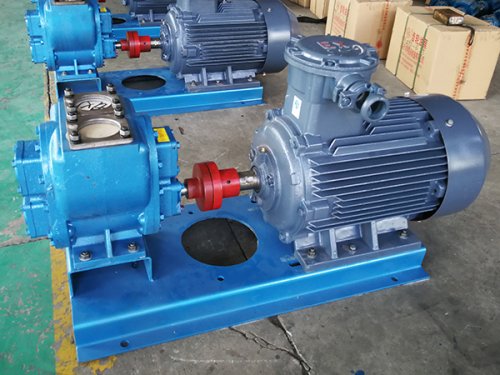
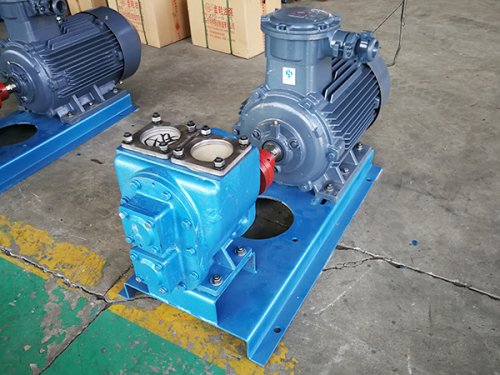
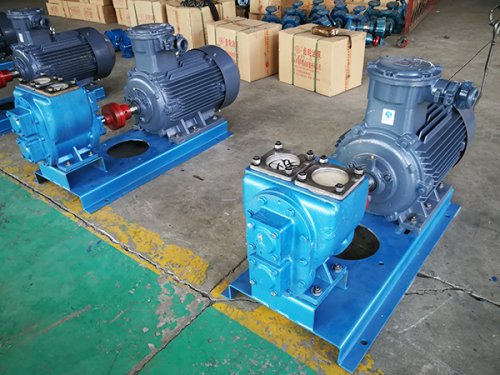
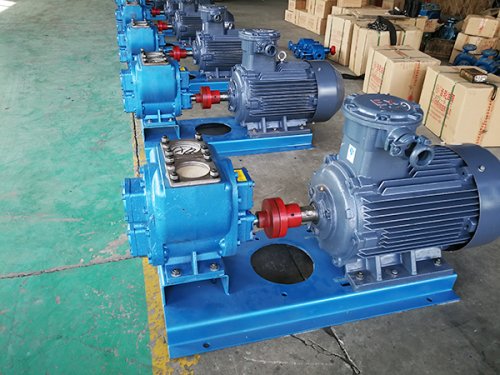
In the industrial equipment maintenance area, the stable operation of the high-pressure diesel ignition pump is a key link in determining the normal operation of the entire power system. In order to accurately control the status of equipment and promptly identify potential faults, the combined application of vibration spectrum analysis and oil ferrography detection is becoming a fast monitoring method.
Vibration spectrum analysis captures the vibration signals generated during device operation and converts them from the time domain to the frequency domain for interpretation. During the operation of high-pressure diesel ignition pumps, abnormal states of internal components such as rotors, bearings, impellers, etc. will be manifested in the form of frequency vibrations. After collecting vibration data through technical instruments, using Fourier transform and other techniques to generate spectrograms, analysts can determine whether there are issues such as imbalance, misalignment, and wear in the components based on information such as peak frequency and amplitude changes in the graph. This method can capture subtle abnormal vibrations before there are obvious signs of equipment failure, achieving early warning of faults.
Oil ferrography detection focuses on wear particles in the equipment lubrication system. The moving parts of the high-pressure diesel ignition pump will generate abrasive particles during friction, which will mix into the lubricating oil. Iron spectrum detection technology uses a magnetic field to separate magnetic abrasive particles in oil, and observes the shape, size, composition, and concentration of the abrasive particles through a microscope to determine the degree, type, and location of wear on the component. For example, large and irregularly edged abrasive particles may indicate severe wear or scratches, while small and uniform abrasive particles may be normal wear products.
Combining these two methods can achieve complementary advantages and improve the accuracy and comprehensiveness of fault diagnosis. Vibration spectrum analysis is adept at detecting anomalies from dynamic signals of equipment operation, and can quickly locate the approximate direction of faults. However, it has limited access to specific details of wear and information on wear products. Oil ferrography can deeply analyze the characteristics of wear particles and accurately determine the wear condition, but it cannot reflect the dynamic changes during equipment operation in real time. After combining the two, when abnormal frequencies are found in vibration spectrum analysis, oil ferrography detection can further verify whether there is a wear problem and provide specific information about wear; On the contrary, when abnormal abrasive particles are detected by oil ferrography, vibration spectrum analysis can dynamically investigate the operating status of equipment components and confirm whether there are vibration factors that cause wear.
In practical applications, the joint detection process usually involves regularly collecting vibration signals and oil samples from high-pressure diesel ignition pumps. Firstly, conduct frequency spectrum analysis on the vibration signal to preliminarily determine whether there is any abnormality in the equipment. If any abnormalities are found, perform iron spectrum testing on the oil sample to analyze the wear situation in depth. At the same time, targeted monitoring of the frequency in the vibration spectrum can also be carried out based on the results of oil ferrography detection. Through long-term data accumulation and trend analysis, it is also possible to establish equipment status benchmarks, providing a basis for predicting the remaining service life of equipment and developing correct maintenance plans.
This joint detection method can not only reduce the probability of equipment failure and minimize losses caused by equipment downtime, but also optimize maintenance strategies to avoid excessive or insufficient maintenance. With the increasing demand for equipment performance in industrial production, the combined application of vibration spectrum analysis of high-pressure diesel ignition pumps and oil ferrography detection undoubtedly provides a solid technical guarantee for the stable and stable operation of equipment.