
Current location: ENGLISh > NEWS > Company News >
Real time monitoring of operating status of high-pressure diesel ignition pump a
time:2026-03-30 01:48:17 author:特种泵阀 click:132
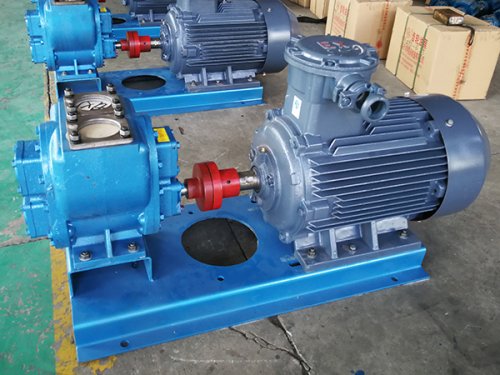
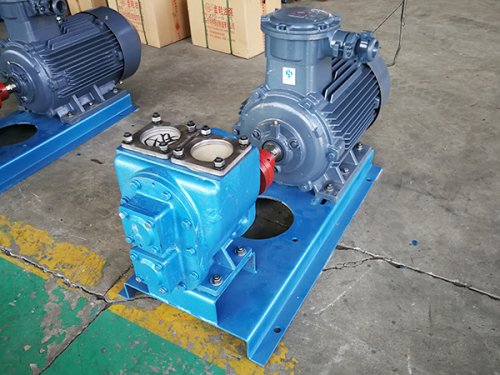
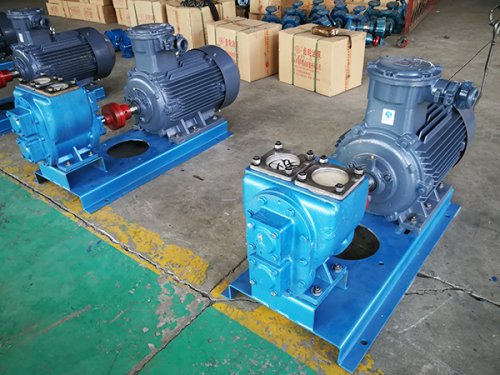
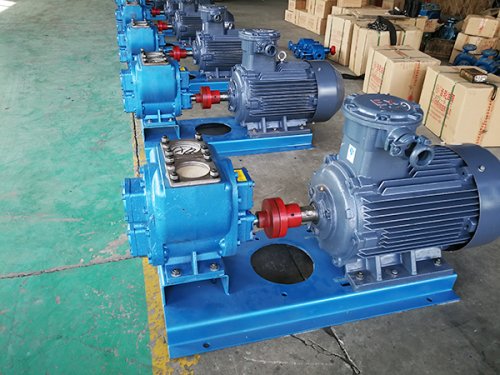
The high-pressure diesel ignition pump is the core component of the diesel power system, and its operational stability directly affects the performance and stability of power output. By building a real-time monitoring system and standardizing the maintenance process of the sealing system, it is possible to prevent pre failure and extend the service life of equipment.
1、 Construction of real-time monitoring system for operational status
The real-time monitoring of high-pressure diesel ignition pumps needs to be carried out synchronously from three dimensions: sound, temperature, and parameters, to achieve early detection and early warning of potential faults. Sound monitoring: During normal operation, the pump body should emit a uniform and smooth mechanical running sound. If there is a high-frequency sharp abnormal sound or metal impact sound, it is likely caused by bearing wear, rotor eccentricity, or internal impurities. Portable acoustic sensors can be used to collect sound data in the frequency range of 100-1000Hz for the pump body. When the sound amplitude exceeds 30% of the reference value, a warning will be triggered to promptly investigate the wear of internal components. Temperature monitoring: By installing temperature sensors in the bearing chamber and sealing chamber of the pump body, the operating temperature can be monitored in real time. Under normal operating conditions, the bearing temperature should not exceed 70 ℃, and the sealing chamber temperature should be controlled between 60-85 ℃. If the temperature rises abnormally, it may be due to poor lubrication, increased friction of seals, or cooling system failure. It is necessary to immediately check the lubricating oil level and cooling medium flow rate to avoid component damage caused by high temperature erosion. Parameter monitoring: Real time collection of pump output pressure, speed, and current parameters. The output pressure should be stable within ± 5% of the rated value, and the speed fluctuation should not exceed 2% of the rated value. If the pressure drops sharply and the current synchronously decreases, it may be due to blockage of the oil inlet pipeline or accumulation of impurities in the filter screen; If frequent pressure fluctuations are accompanied by abnormal increases in current, it is necessary to check whether the internal components of the pump are stuck or worn. At the same time, it is necessary to monitor the sealing of the fuel supply system. If there is oil leakage at the pipeline interface, it will cause a decrease in the suction rate of the pump, leading to unstable power output.
2、 Specification for graded maintenance of sealing systems
The sealing system of high-pressure diesel ignition pump is divided into two types: mechanical seal and packing seal, and differentiated maintenance cycles and operating standards need to be developed according to the sealing form. Mechanical seal maintenance: Mechanical seals are suitable for working conditions with high pressure and low leakage requirements, and should follow a graded maintenance process of daily inspections, monthly maintenance, and quarterly inspections. Daily inspections are conducted daily, mainly to check the leakage rate of the sealing parts. The normal leakage rate should be controlled at 1-2 drops per minute; Monthly maintenance should be carried out after about 300 hours of equipment operation, to detect the pressure of the flushing liquid in the sealed chamber and determine that the flushing liquid pressure is 0.05-0.1MPa higher than the medium pressure to prevent the medium from entering the sealed chamber; Quarterly maintenance requires disassembling the sealing components and checking the wear of the friction pair. If the wear exceeds 0.1mm or scratches appear on the surface, SiC material friction pair components should be replaced in a timely manner. Packing seal maintenance: Packing seals are suitable for working conditions with relatively loose leakage requirements, and the maintenance cycle is divided into daily inspections and weekly adjustments. Daily inspections need to confirm that the leakage rate is controlled at 5-8 drops per minute, and trace leaks can lubricate the shaft sleeve; Weekly adjustments should be made based on changes in leakage, using a diagonal step-by-step tightening method to adjust the packing gland. Each tightening should not exceed 1/4 turn to avoid increased wear on the shaft sleeve due to excessive clamping force. When the filler hardens, cracks, or wears more than one-third of its height, it is necessary to replace the suitable graphite or PTFE filler in a timely manner. During installation, the staggered cutting method should be used, and the angle between adjacent filler cuts should be maintained at 90-120 °.
3、 Preventive maintenance and fault avoidance
In addition to real-time monitoring and graded maintenance, it is necessary to establish a preventive maintenance mechanism to reduce the probability of failure from the root. Regularly clean the filter screen of the oil inlet pipeline, with a filtration accuracy of not less than 100 mesh, to prevent impurities from entering the pump body and causing wear on internal components and seals; Disassemble and inspect the pump every 1000 hours of operation, measure the clearance between the rotor and the pump body, and repair or replace components promptly when the clearance exceeds 20% of the value; After winter shutdown, it is necessary to drain the diesel from the pump body and pipeline to prevent low-temperature freezing and cracking of the sealing components and pump body. At the same time, establish equipment operation records, record each monitoring data and maintenance content, optimize maintenance cycles through data analysis, and achieve a transition from passive maintenance to proactive prevention.