
Current location: ENGLISh > NEWS > Company News >
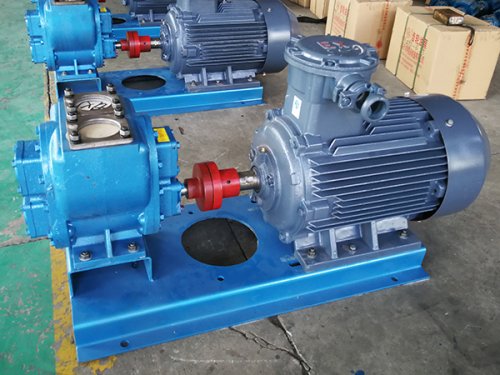
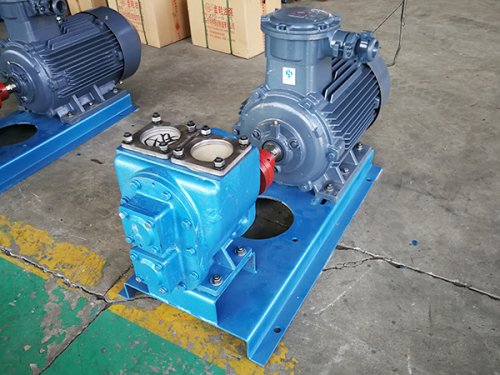
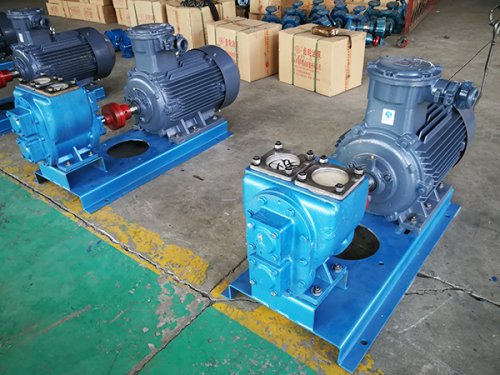
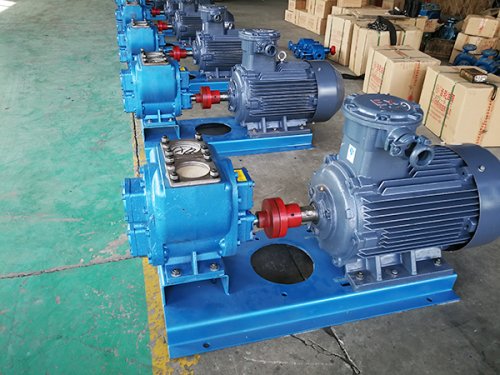
Path for reducing energy consumption of BC variable frequency internal gear pump
time:2026-03-26 01:40:50 author:特种泵阀 click:208
BC variable frequency internal gear pump is widely used in industrial fluid transportation areas due to its good speed for conveying high viscosity media, smooth operation, and low noise characteristics. Through a comprehensive layout from the device itself, operation control to system optimization, its energy-saving potential can be further explored, achieving a significant reduction in energy consumption.
1、 Native energy-saving optimization based on pump body structure
The structural characteristics of the internal gear pump are the foundation of its energy saving. The BC frequency conversion model has inherent advantages in tooth profile and sealing structure, and can further reduce energy consumption through targeted optimization. In terms of tooth profile, the traditional involute tooth profile is replaced by the cycloid tooth profile. The meshing process of the cycloid tooth profile is smoother, and the volume change between teeth is uniform, which can reduce the energy loss caused by trapped oil. Compared to involute gear shapes, cycloidal gear shapes can increase the volumetric velocity of pumps by 5% -8%. The effect is more significant when conveying high viscosity media, as high viscosity media are more sensitive to pressure fluctuations. A smooth meshing process can reduce internal friction losses in the media. At the same time, the gears are subjected to high-precision grinding treatment, and the roughness of the gear tooth surface is controlled below Ra0.4 μ m, reducing the frictional resistance during gear meshing and minimizing mechanical losses. In terms of optimizing the sealing structure, automatic compensation sealing with end face clearance is adopted, and the sealing ring is automatically adjusted for clearance by the pressure of the medium to maintain the best sealing state and reduce internal leakage. The conservative fixed gap seal increases the leakage due to the increase in gap after the pump body wears out, while the automatic compensation seal can control the leakage within 1% of the rated flow rate, reducing leakage loss by about 60% compared to the fixed gap seal. In addition, the pump body flow channel is optimized by adopting streamlined inlet and outlet ports to reduce the vortex and resistance of the medium in the flow channel, making the medium flow smoother and reducing hydraulic losses.
2、 Intelligent control and energy-saving of frequency conversion system
Variable frequency drive is the core energy-saving method for BC variable frequency internal gear pumps. Through accurate speed regulation, the output of the pump can be adjusted according to actual working conditions, avoiding unnecessary energy consumption. In terms of on-demand speed regulation and energy saving, the motor speed is adjusted in real-time according to the system's flow requirements to achieve "on-demand energy supply". When the system flow demand drops from 1 to 50% of the rated value, using variable frequency speed regulation can reduce the motor power to 12.5% of the rated power, while conservative throttling regulation can cause significant energy loss because the throttle valve needs to consume excess pressure to limit the flow. For example, in asphalt conveying systems, the demand for asphalt varies greatly at different times. By using variable frequency speed regulation, the pump speed can be reduced during low demand periods, significantly reducing energy consumption. On the dynamic matching working condition, the intelligent algorithm of the frequency conversion system is used to monitor the pressure and flow parameters of the system in real time, automatically adjust the pump speed, and make the pump run near the optimal speed point. When the system pressure fluctuates, the frequency conversion system can respond quickly, adjust the speed to stabilize the pressure, and avoid energy waste caused by high pressure. At the same time, in response to changes in the viscosity of the conveying medium, the frequency conversion system can automatically adjust the speed to determine the pump's conveying rate. For example, in low temperature environments in winter, when the viscosity of asphalt increases, the frequency conversion system can appropriately increase the speed to maintain normal conveying flow without additional energy consumption.
3、 Collaborative energy-saving optimization at the system level
In addition to optimizing the pump body itself and the frequency conversion system, collaborative optimization at the level of the entire conveying system can further enhance energy-saving effects. In terms of pipeline system optimization, we follow the principle of "short straight and few bends" in pipeline layout, reducing the length and number of bends of the pipeline, and lowering the resistance along the way and local resistance. Control the surface roughness of the pipeline below Ra1.6 μ m to reduce the friction loss between the medium and the inner wall of the pipeline. At the same time, the correct selection of pipeline diameter ensures that the flow velocity of the medium in the pipeline is within the economic flow velocity range. For high viscosity media, the flow velocity is controlled at 0.5-1m/s, and for low viscosity media, the flow velocity is controlled at 1-2m/s to avoid energy consumption increase caused by high or low flow velocity. In terms of system maintenance and management, establish a regular maintenance mechanism to promptly replace worn components such as gears, sealing rings, etc., and determine the operating rate of the pump. Regularly clean the pipeline filter to prevent impurities from accumulating and causing pipeline blockage, thereby increasing the operating load of the pump. At the same time, regular calibration and maintenance should be carried out on the frequency conversion system to determine its speed regulation accuracy and stability. By establishing equipment operation records, analyzing energy consumption data, optimizing operation strategies, such as centralized transmission of media during low electricity periods, and utilizing electricity price differences to reduce operating costs.
4、 Energy saving effect verification and continuous improvement
After implementing energy-saving measures, it is necessary to verify and evaluate the energy-saving effect, and calculate the energy-saving rate by comparing the energy consumption data before and after implementation. At the same time, establish a continuous improvement mechanism to continuously optimize energy-saving strategies based on operational data and changes in working conditions. For example, real-time collection of pump operating parameters through an online monitoring system, analysis of energy consumption fluctuations, and targeted adjustment of variable frequency speed regulation parameters or pipeline layout. Regularly conduct energy-saving technology evaluations, introduce new energy-saving technologies and processes, and further improve the energy-saving level of BC variable frequency internal gear pumps.
The above text revolves around the energy consumption reduction path of BC variable frequency internal gear pump, from pump body structure optimization, variable frequency system regulation, system collaborative optimization to energy-saving effect verification, constructing a comprehensive energy-saving system and providing practical guidance for energy consumption reduction in practical applications. If you need to adjust energy-saving strategies based on working conditions, please let us know at any time.