
Current location: ENGLISh > NEWS > Company News >
Comprehensive treatment plan for asphalt pump leakage and overheating problems
time:2025-12-12 02:13:46 author:特种泵阀 click:227
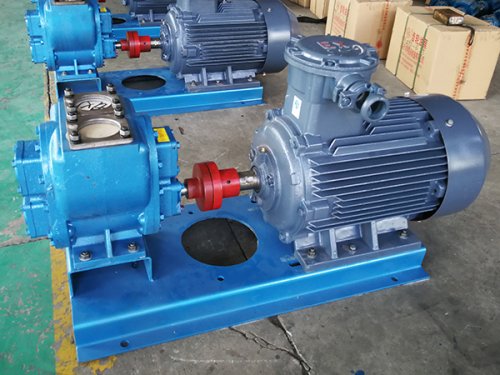
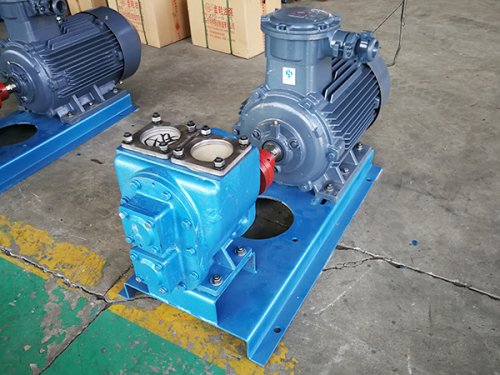
Asphalt pumps, as the core equipment for transporting high-temperature asphalt media, are widely used in areas such as road construction and water resistant material production. If there is a leakage or overheating problem during its operation, it will not only lead to media waste and environmental pollution, but may also cause equipment damage or even stability accidents. Leakage is usually related to seal failure, component wear, or installation defects, while overheating is mostly caused by increased friction, insufficient cooling, or changes in medium characteristics. The following is a systematic exposition from three aspects: analysis of the causes of the problem, targeted measures, and long-term prevention strategies.
1、 Analysis of the Causes of Leakage and Overheating Issues
1. Sealing system failure
The sealing structure of asphalt pumps (such as mechanical seals and packing seals) is the key to preventing medium leakage. If the mechanical seal is worn or scratched on the surface of the moving or stationary ring, it will cause an increase in the gap between the sealing surfaces, and high-temperature asphalt will seep out under pressure; If the spring pressure is insufficient or aged, it cannot make the sealing ring tightly fit, which can also cause leakage. If the packing seal is too loose, asphalt will leak from the gap between the packing and the shaft; If the filler material cannot withstand high temperatures or undergo chemical reactions with asphalt, it will accelerate the aging of the filler and lead to seal failure.
2. Wear and looseness of components
The gears, pump body, rotor and other components of the pump may wear out due to friction or corrosion after long-term operation. Gear tooth surface wear can lead to an increase in meshing clearance, causing medium leakage from the clearance; The wear of the inner wall of the pump body will form grooves, and asphalt will leak out along the grooves. In addition, if the connecting bolts of the components become loose due to vibration, it can cause gaps in the sealing surfaces between the pump body and the end cover, as well as between the pipeline and the pump body, leading to leakage.
3. Cooling system malfunction
Asphalt pumps are usually equipped with cooling devices (such as jacket cooling, air cooling, or water cooling systems) to control the temperature of the pump body. If the cooling water flow is insufficient, the cooling pipeline is blocked, or the cooling air volume is not enough, it will cause the heat of the pump body to be unable to dissipate in a timely manner, and the temperature will continue to rise; If the temperature of the cooling medium is too high, it will also reduce the cooling effect. Overheating of the pump body will accelerate the aging of asphalt, reducing its viscosity and enhancing its fluidity, further exacerbating the risk of leakage.
4. Influence of medium characteristics
Asphalt has the characteristics of high viscosity and easy solidification. If the conveying temperature is too low, the viscosity of asphalt increases, the flow resistance increases, and the pump needs to consume more energy to overcome the resistance, resulting in increased frictional heat generation; If the temperature is too high, asphalt may undergo thermal decomposition, producing low molecular weight substances that can corrode seals or block flow channels, causing leaks. In addition, if impurities (such as sand particles and coke blocks) are mixed into asphalt, they will wear down the internal components of the pump and damage the sealing surface.
5. Installation and operation issues
If the foundation is not flat, the alignment is poor, or the pipeline stress is too high during the installation of the pump body, it will cause vibration during the operation of the pump body. The vibration will loosen the seals or cause gaps at the connection of components, leading to leakage; If the start stop frequency is frequent, the speed is too high, or the inlet and outlet pressure fluctuates too much during the operation, it will intensify the friction and medium impact inside the pump, leading to temperature rise and seal failure.
2、 Targeted handling measures
1. Sealing system repair and upgrade
Mechanical seal maintenance: Disassemble the mechanical seal and check whether the surfaces of the moving and stationary rings are worn or scratched. If the problem is minor, it can be repaired by polishing with an oilstone. If it is serious, the sealing ring needs to be replaced; Adjust the spring pressure to ensure a tight fit of the sealing ring; Check the perpendicularity between the sealing end face and the axis to avoid deviation.
Packing seal adjustment: If packing seal is used, check the tightness of the packing gland. If it is too loose, tighten the gland bolt to keep the packing slightly leaking and lubricate the sealing surface; If the filler is aging, it is necessary to replace it with a new type of filler that is not afraid of high temperature and asphalt corrosion.
Sealing structure optimization: For frequent leakage conditions, it is possible to consider upgrading the packing seal to a mechanical seal, or adopting sealing forms such as double end mechanical seals.
2. Component wear repair and replacement
Gear and pump inspection and repair: Disassemble the pump body, check whether the gear tooth surface and the inner wall of the pump body are worn. If the wear is minor, the size can be restored through chrome plating or spray repair process. If it is severe, the gear or pump body needs to be replaced; Check if the bearings are loose or damaged, replace the faulty bearings and replenish lubricating grease.
Tightening of connecting components: Check whether the connecting bolts between the pump body and the end cover, and between the pipeline and the pump body are loose, and use a torque wrench to tighten the bolts according to specifications; For flange connections, it is necessary to check whether the sealing gasket is aging and replace the damaged gasket.
3. Maintenance and improvement of cooling system
Cooling device inspection: Check whether the cooling water pipeline is blocked, clean the scale or impurities inside the pipeline; Check if the cooling fan is running properly and clean the asphalt residue on the fan blades; For the water cooling system, sufficient cooling water flow is required, and if necessary, a water pump should be added or the valve opening should be adjusted.
Optimization of cooling method: If the original cooling method is not effective, consider upgrading to a cooling form with better cooling rate, such as increasing the jacket cooling area or using a circulating oil cooling system.
4. Control of medium characteristics
Temperature management: Install a temperature sensor in front of the pump to monitor the real-time temperature of the asphalt; If the temperature is too low, adjust the power of the heating device or extend the preheating time; If the temperature is too high, it is necessary to lower the heating temperature or install a cooling device.
Medium purification: Install a multi-stage filtration device in front of the pump, regularly clean the filter screen, and remove impurities; For water containing asphalt, it is necessary to reduce the moisture content through dehydration equipment to prevent water vaporization and gas blockage.
5. Installation and operation specifications
Installation adjustment: Recheck whether the installation foundation of the pump body is flat and adjust the levelness of the pump body; Use a laser alignment device to check the coaxiality between the pump shaft and the motor shaft, and determine the alignment accuracy; For long pipeline systems, flexible connections need to be added to remove pipeline stress.
Operation training: Develop standard operating procedures to avoid frequent starting and stopping of pumps; Slowly adjust the speed through a frequency converter to prevent sudden pressure changes; When opening and closing the valve, it is necessary to move slowly to reduce the water hammer effect.
3、 Long term prevention strategy
1. Regular maintenance plan
Develop monthly and quarterly maintenance procedures for asphalt pumps, including cleaning filter screens, inspecting seals, replacing lubricating grease, and testing performance parameters to ensure that the equipment is in good condition.
2. Spare parts reserve management
Reserve commonly used vulnerable parts (such as sealing rings, bearings, and filters) to shorten downtime due to malfunctions; Regularly replenish spare parts inventory to prevent repair effectiveness from being affected by aging spare parts.
3. Media quality monitoring
Establish a medium quality file to record the viscosity, moisture content, and impurity content of asphalt, and conduct regular sampling and testing; For different batches of asphalt, process parameters need to be adjusted to adapt to the characteristics of the medium.
4. Monitoring of operational data
Install vibration sensors, temperature sensors, and pressure gauges to monitor the operating parameters of the pump in real time. If any abnormal fluctuations are found, the pump should be shut down for inspection in a timely manner.
The leakage and overheating problems of asphalt pumps need to be comprehensively addressed from multiple dimensions including sealing, components, cooling, media, and operation. By repairing seal failures, replacing worn parts, optimizing cooling systems, and standardizing operating procedures, the leakage and overheating problems can be solved. At the same time, establishing a preventive maintenance system can significantly improve equipment performance and ensure production stability and continuity.