
Current location: ENGLISh > NEWS > Company News >
Guidelines for Standardized Operation of Light Oil Pumps during Use
time:2025-08-19 09:59:13 author:特种泵阀 click:246
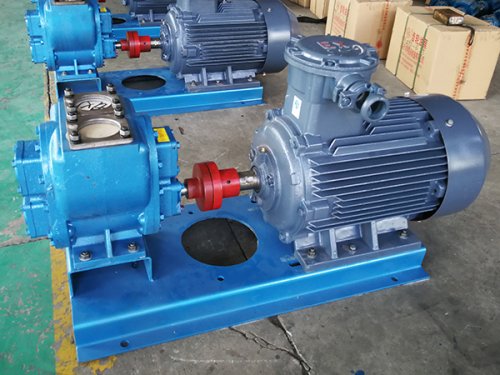
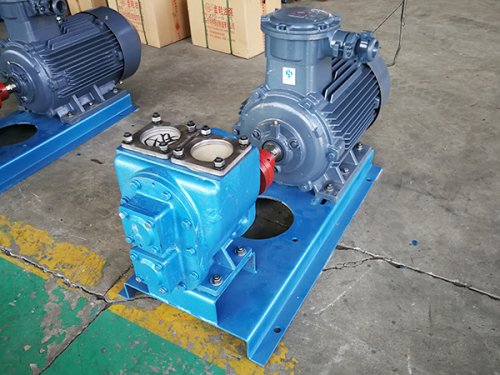
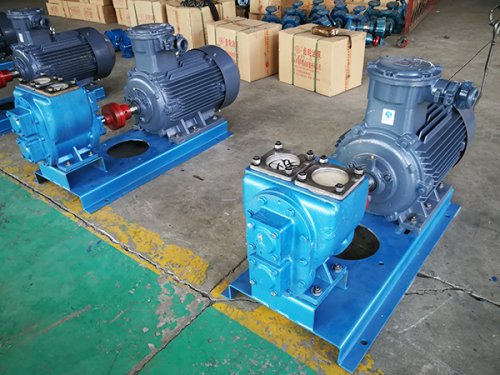
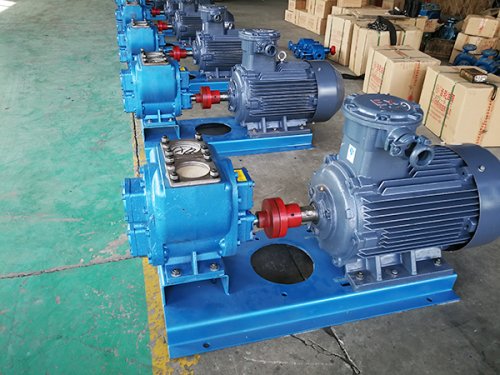
As the core equipment for transporting low viscosity liquids such as gasoline and diesel, the operational standardization of the light oil pump directly affects the service life, systematicity, and medium purity of the pump body. Due to the volatility, low ignition point, and strong solubility of light oil, it is necessary to strictly follow the procedures during operation to avoid the risk of leakage, cavitation, or fire caused by improper operation. The following elaborates on the key points for standardized operation of light oil pumps from four aspects: preparation before start-up, monitoring during operation, shutdown operation, and emergency response.
1、 Pre start check: Build a strong defense line
The pre startup inspection is a checkpoint to prevent malfunctions. Firstly, it is necessary to confirm that the installation foundation of the pump body and motor is stable, and that the anchor bolts are not loose, in order to avoid pipeline breakage or pump body displacement caused by vibration during operation. Check if the coupling protective cover is in place to prevent operators from coming into contact with rotating parts and causing mechanical injury.
Secondly, a special inspection of the lubrication system is required. The bearings of light oil pumps are usually lubricated with thin oil, and the lubricating oil level needs to be observed through an oil level gauge to ensure that the oil level is within the calibration range. If the oil level is too low, it is necessary to supplement with the same type of oil as the original lubricating oil to avoid mixing oil with different viscosities or additives that may cause lubrication failure. At the same time, check whether the lubricating oil is clear and free of impurities. If emulsification or discoloration is found, replace the oil immediately.
The inspection of the pipeline system should cover inlet and outlet valves, filters, and valves. Fully open the valve to avoid cavitation caused by insufficient oil absorption; The outlet valve should be in a slightly open state to prevent damage to the pump body caused by sudden pressure increase during startup. Clean the filter mesh cover, remove residual solid particles, and prevent them from entering the pump chamber and damaging the gears or impellers. Check if the lead seal of the valve is intact and can release pressure in a timely manner when overpressure occurs.
The inspection of the electrical system needs to be carried out by personnel. Confirm that the motor junction box is sealed and the cables show no signs of damage or aging; Use a megohmmeter to check the insulation resistance of the motor. If the resistance value is lower than the standard value, it needs to be dried before being put into use. For light oil pumps, it is necessary to check whether the joint surface is coated with rust proof grease, which meets the grade requirements.
2、 Dynamic monitoring during operation: stable conveying
After the light oil pump is started, the operating status needs to be monitored through the three-step method of "listening, watching, and touching". Listen for any abnormal sounds inside the pump body, such as metal friction or impact sounds, which may indicate gear wear or bearing damage; Observe the pointer fluctuations of the pressure gauge and flow gauge. If periodic oscillations occur, it may be caused by cavitation or pipeline blockage; Touch the temperature of the pump body and motor casing. If it feels hot, check if the lubricating oil circulation or cooling system is malfunctioning.
Monitoring the temperature of the medium is equally crucial. The viscosity of light oil varies significantly with temperature, and if the conveying temperature is too high, it will lead to an increase in leakage inside the pump; If the temperature is too low, it may cause the medium to solidify and block the flow channel. It is necessary to continuously monitor the temperature of the medium through temperature control instruments, which should be within the allowable range of the pump body. If an abnormal increase in temperature is found, it is necessary to check whether the cooling water flow or heating device is out of control.
The leakage detection of the sealing system needs to be carried out regularly. Light oil pumps usually use mechanical seals or packing seals. The former requires observing whether there are oil droplets seeping out from the sealing end face, while the latter requires checking whether a uniform oil film is formed at the packing cover. If the leakage suddenly increases, it may be caused by seal wear or installation eccentricity, and the machine needs to be stopped immediately for maintenance.
3、 Shutdown operation specifications: prevent medium backflow and air resistance
Before shutting down, gradually close the outlet valve to reduce the load on the pump body and avoid sudden shutdown causing water hammer effect. For self-priming light oil pumps, it is necessary to continue running for a while after the outlet valve is closed to drain the residual liquid in the pump chamber and prevent dry grinding due to insufficient oil suction during the next start-up.
After stopping the machine, the following operations should be performed immediately: cut off the power supply of the motor and hang a "Do Not Close" warning sign; Close the valve to prevent the medium from flowing back and impacting the pump body; Open the drain valve at the bottom of the pump body and discharge the residual light oil into the collection container to prevent it from evaporating and forming flammable gases; If the ambient temperature is low, the cooling water system needs to be drained to prevent pipeline freezing and cracking.
4、 Emergency Response Plan: Responding to Sudden Malfunctions
If there is a sudden leak during operation, immediately press the emergency stop button, cut off the power, and close the inlet and outlet valves. Use tools to tighten the flange bolts near the leakage site, or replace the damaged sealing gasket. If the leakage amount is large, it is necessary to cover the leakage area with absorbent cotton to prevent light oil from spreading to the open source of fire.
The manifestation of cavitation failure is an increase in noise and a decrease in flow rate. At this time, it is necessary to stop the machine and check whether the pipeline leaks or the filter is blocked. After cleaning the filter, slowly open the valve and fill the pump body with liquid before restarting.
When the motor is overloaded, it is necessary to check whether the outlet valve is opened too much or whether the pipeline resistance is abnormal. Reduce the pump load to the rated range by adjusting the valve opening or cleaning the pipeline blockage.
The operation of the light oil pump should follow the principle of "priority and prevention first", and form a closed-loop management system through pre start inspection, dynamic monitoring during operation, standardized shutdown operation, and emergency plan drills. Operators need to receive regular training, familiarize themselves with the structure of the pump body and the characteristics of the medium, and ensure that every step meets the specifications, so that the equipment can operate stably for a long time.