

Current location: ENGLISh > NEWS > Company News >
Basic information and preparation guide for FCB stainless steel pump before use
time:2025-08-16 09:56:29 author:特种泵阀 click:181
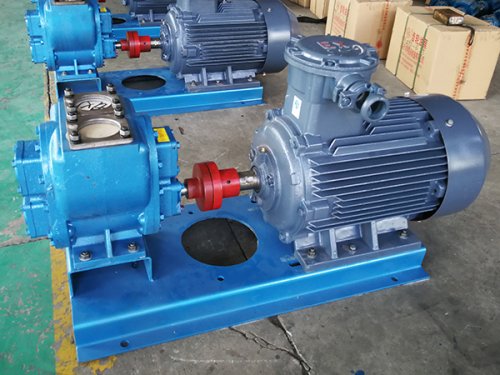
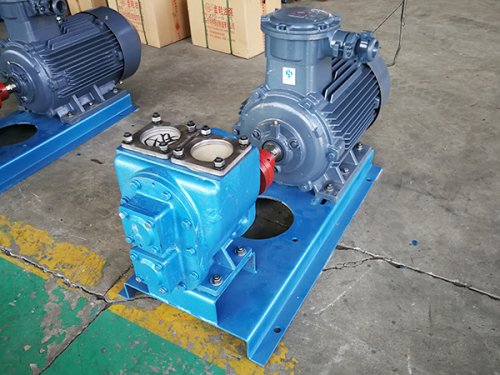
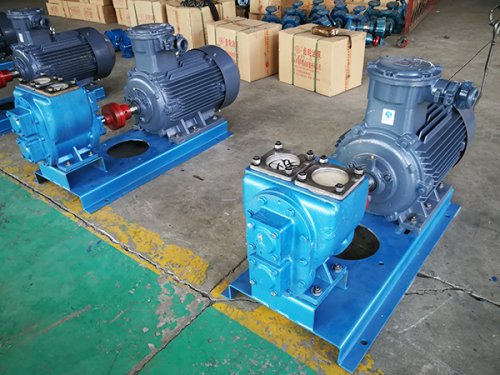
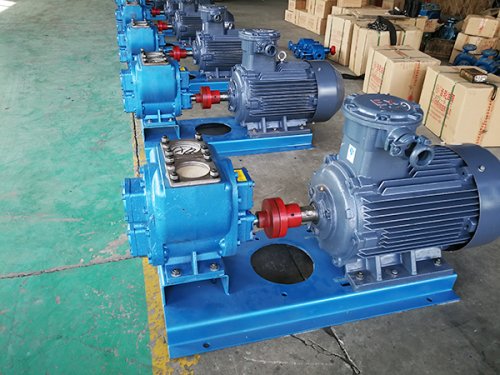
FCB stainless steel pump is a positive displacement rotary pump, whose core working principle is based on a pair of meshing gear transmission. When the main gear rotates under the drive of the motor, the driven gear rotates synchronously. The negative pressure chamber formed by the gradual separation between the two teeth sucks the liquid into the pump body, and then pushes the liquid to the discharge end through the rotation and compression of the gear. All the overcurrent components in contact with the medium of the pump body are made of 1Cr18Ni9Ti stainless steel material, which is both corrosive and anti viscous, and can stably transport lubricating liquids without solid particles. It is used in food, pharmaceutical, chemical and other industries with strict hygiene requirements.
1、 Structural characteristics of FCB stainless steel pump
The pump adopts modularization and is mainly composed of gear components, pump body, pump cover, valve, and shaft end sealing system. The surface hardness and performance of the gear are significantly improved through heat treatment process, and it is installed together with the shaft in a replaceable shaft sleeve, forming a low friction and long-life operating unit. The built-in oil drain groove and oil return structure of the pump body can balance the axial force generated by gear operation, reduce bearing load, and minimize mechanical wear. As the core protection device, the valve automatically opens to release pressure when the discharge pressure exceeds the rated value, preventing system overload damage. However, it should be noted that it is only suitable for short-term overpressure protection, and the pressure reducing valve is used for a long time.
2、 Systematic check before use
1. Mechanical verification
Before starting, it is necessary to visually inspect the connection parts of the pump body to confirm whether the anchor bolts are tightened and whether the inlet and outlet flange sealing gaskets are intact. When conducting manual turning tests, it should be felt that the coupling rotation resistance is uniform, without any jamming or abnormal noise. If friction noise is found between the gear and the inner wall of the pump body, it is necessary to immediately disassemble and check the axial clearance of the gear. For models equipped with mechanical seals, it is necessary to check whether the sealing end face is clean to avoid impurities from embedding and causing wear during startup.
2. Preparation of lubrication system
The FCB pump adopts self-lubricating and relies on the conveying medium to achieve lubrication and cooling of gears and bearings. But before starting, the pump chamber needs to be filled with liquid manually to prevent gear tooth surface strain caused by dry operation. For pump types that transport high viscosity media, it is recommended to preheat the medium to a suitable temperature in advance and reduce the starting torque. If the pump body is equipped with an independent lubricating oil chamber, it is necessary to check whether the oil level reaches the centerline of the oil mirror and confirm that the lubricating oil grade meets the technical specifications.
3. Electrical system calibration
Before wiring the motor, it is necessary to check the consistency between the power supply voltage and the pump nameplate parameters, and use a megohmmeter to detect the insulation resistance of the motor winding, which meets the standard. For the pump body, it is necessary to check whether the sealing ring of the junction box is intact and whether the cable entry device is fastened. Before starting, a jog test should be conducted to observe whether the motor direction is consistent with the arrow mark on the pump body. Reverse operation may cause gear detachment or seal failure.
4. Process pipeline configuration
The suction pipeline should avoid sharp bends and reduced diameter, and the liquid flow should be smooth. Installing a filter screen at the pump inlet can intercept impurities and prevent gear jamming. The discharge pipeline should be equipped with pressure gauges and valves to facilitate real-time monitoring of system pressure. For the transportation of easily crystallized media, it is necessary to rinse the pipeline with cleaning solution in a timely manner after stopping the pump to prevent the media from solidifying and blocking. If the installation height of the pump body exceeds the allowable vacuum suction height, a bottom valve should be added to the suction pipeline or a reverse flow installation should be adopted.
3、 Environmental adaptability adjustment
When starting in a low-temperature environment, it is necessary to preheat the pump body in advance to prevent the medium from solidifying and causing difficulty in starting. For pump types that transport high-temperature media, it is necessary to check the cooling water system to avoid bearing failure due to high temperature. If the pump body is restarted after a long period of disuse, it is necessary to disassemble and inspect the wear of the gears and bearings, replace aging seals, and clean the pump chamber.
By systematically preparing before use, the operational stability and service life of FCB stainless steel pumps can be significantly improved. Operators must strictly follow the requirements of the equipment manual, develop maintenance plans based on actual working conditions, regularly record operating parameters, and provide data support for the full lifecycle management of the equipment.