

Current location: ENGLISh > NEWS > Industry Trends >
Maintenance work of chemical pumps
time:2015-12-31 03:38:51 author:特种泵阀 click:433
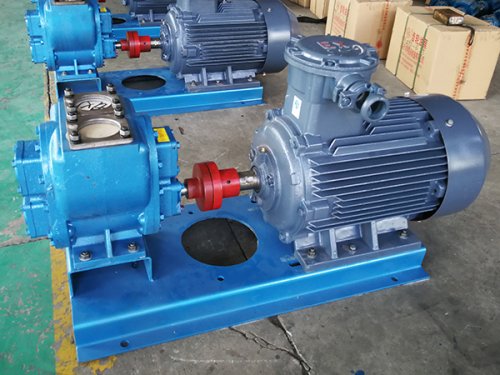
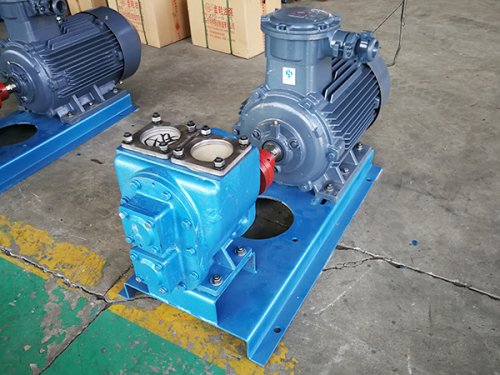
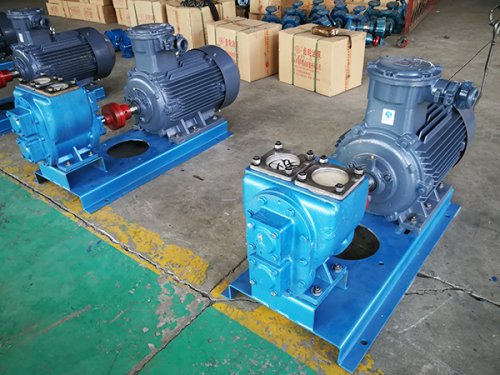
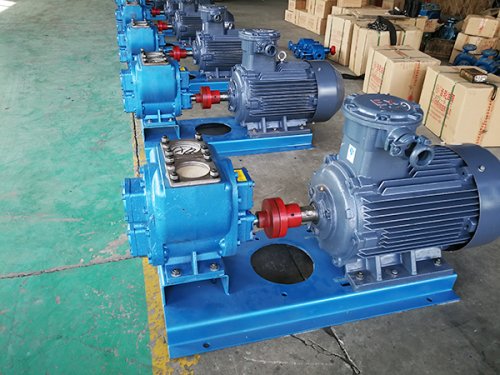
To improve the efficiency and operational quality of chemical pumps, it is not only necessary to maintain them properly, but also to take measures to ensure their maintenance. Starting from the maintenance work of chemical pumps, maintenance management can be carried out from the following aspects: the combination position of chemical pumps and the normalization of pipelines. In the process of repairing chemical pumps, the staff should carefully inspect the joint parts and pipelines of the chemical pump, determine whether there is any looseness in the joint parts and pipelines, and then develop solutions for the problems. In the actual maintenance process, chemical pump maintenance personnel can use reverse and forward rotation to detect the flexibility of chemical pumps and improve their work efficiency. Thirdly, check the amount of lubricating oil required during the operation of the chemical pump and ensure its normal operation. The staff should add a certain amount of lubricating oil into the bearings of the chemical pump, and then check whether the oil level is at the centerline position of the standard oil gauge of the chemical pump. In addition, chemical pump maintenance personnel should pay timely attention to the actual remaining amount of lubricating oil required during the operation of chemical pumps, and carry out timely replacement and oil replenishment. Fourthly, chemical pumps have strong water diversion capabilities. The staff need to unscrew the water inlet plug of the chemical pump according to standardized operating procedures, and then inject a sufficient amount of clean water to test the actual water inlet capacity of the chemical pump. Fifth, do a good job in inspecting the outlet pipeline of the chemical pump. Chemical pump maintenance personnel should carefully inspect the actual condition of the knife valve in the outlet water pipeline of the chemical pump, so that the knife valve can be in the closed state, especially the outlet pressure gauge and vacuum gauge of the chemical pump should be in the closed state. Sixth, inspect the motor of the chemical pump to ensure that the load of the motor is within the normal range. When inspecting the chemical pump motor, the staff should first carefully observe whether the actual rotation of the chemical pump motor is correct, and then start the chemical pump motor. When the chemical pump can operate normally, open the outlet pressure gauge and vacuum gauge of the chemical pump. And when the pressure is displayed on the outlet pressure gauge and vacuum gauge, open the knife valve of the chemical pump outlet pipe to check the specific load situation of the chemical pump motor. Seventh, the process and head of the chemical pump are within the normal range. In the actual operation of chemical pumps, staff should timely observe the flow and head range of the chemical pump, and control the flow and head of the chemical pump within the range, so that the chemical pump can operate at a high efficiency point and achieve the maximization of energy-saving effects during the operation of the chemical pump. Eighth, control the bearing temperature of the leak free chemical pump. During the operation of chemical pumps, it is important to control the operating temperature of the bearings, especially for leak free chemical pumps. In actual operation, the bearing temperature should not exceed 35 degrees Celsius, and should not exceed the limit of 80 degrees Celsius for high temperatures. Ninth, when there is abnormal noise during the operation of the chemical pump, the maintenance personnel of the chemical pump should stop the machine for inspection, accurately diagnose the operation fault of the chemical pump, and then take measures for maintenance to ensure the normal operation of the chemical pump. Tenth, standardize the operation steps during the shutdown of chemical pumps. During the process of stopping the operation of the chemical pump, the first step is to close the knife valve of the chemical pump, then close the pressure gauge of the chemical pump, and finally close the motor of the chemical pump.