

Current location: ENGLISh > NEWS > Procurement Guide >
Tips and methods for using gear pumps
time:2025-03-06 03:32:57 author:特种泵阀 click:361
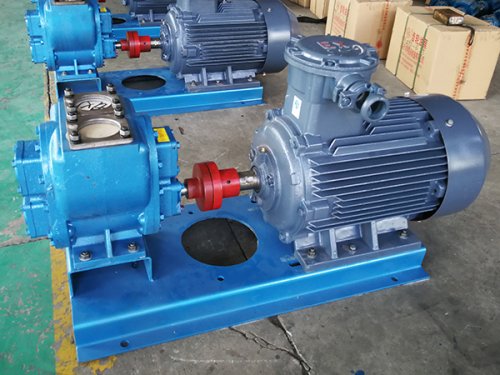
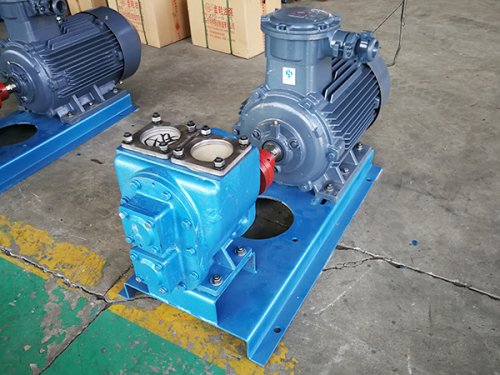
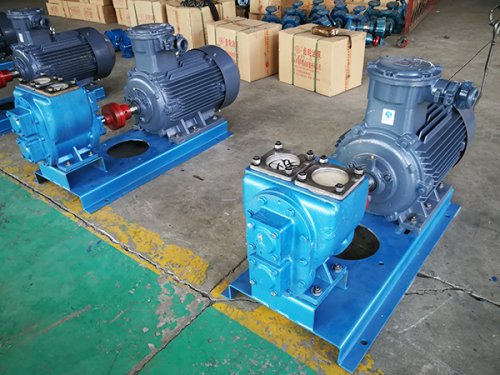
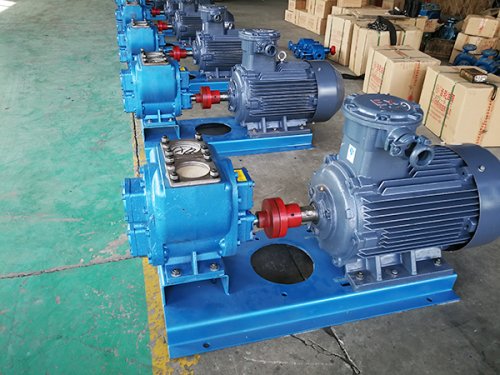
Gear pumps, as a common liquid transfer equipment, play an important role in industrial production. Proper use of gear pumps can not only improve production speed, but also extend the service life of equipment. The following is a detailed explanation of the techniques and methods for using gear pumps:
1、 Preparation before installation
Inspection and preparation:
Before installing the gear pump, carefully check the condition of the pump body and motor for any jamming or inflexibility.
Check all fasteners and whether the valves of the inlet and outlet pipelines are in the open state.
Check if the hydraulic system has an unloading circuit to prevent full load start-up or shutdown.
Lubrication and filling:
Before starting, an appropriate amount of conveying liquid should be injected into the pump to ensure sufficient lubrication inside the pump body.
Check if the lubricating oil in the bearing chamber is qualified, and replace it promptly if it is not qualified.
2、 Start and Run
Pre startup inspection:
Rotate the coupling and check for friction and collision sounds.
Check whether the power supply equipment is intact and whether the grounding wire is intact.
Check if the pressure gauge is intact and open the inlet and outlet valves of the pump.
Start operation:
Press the start button to start and operate the gear pump.
During the start-up process, the valves in the suction and discharge pipelines should be fully opened, and closing the valves for start-up is strictly prohibited.
After starting, adjust the opening of the return valve to reach the required pressure, and check the operation of the pump and motor in real time.
Precautions during operation:
During operation, it is strictly prohibited to wipe the operating parts to prevent danger.
Regularly inspect and repair the gear pump, mainly checking the cleanliness of the connections and the addition of lubricating oil.
Gear pumps have self-priming ability, but dry suction is not allowed, nor can they suck mixtures containing particles to prevent severe gear wear.
3、 Flow regulation and shutdown
Flow regulation:
The flow regulation of gear pumps is mainly achieved through bypass valves.
Adjust the opening of the bypass valve according to actual needs to achieve the desired flow rate.
Shutdown operation:
Press the stop pump button to stop the pump from running.
After shutdown, close the inlet and outlet valves of the pump and notify the relevant personnel to keep a record of the shutdown.
4、 Maintenance and upkeep
Daily maintenance:
Regularly check the electrical components such as power cords, internal connections, plugs, switches, etc. to ensure they are in good condition.
Regularly adding lubricating oil can form a lubricating oil film that can effectively delay the wear of gear pump components.
Check the wear of pump body, pulley, pump shaft, impeller and other components, and replace them promptly if there are any problems.
Long term storage:
If the gear pump is not used for a long time, it should be stored separately from the motor.
When reusing, it should be operated under no-load for more than 10 minutes and undergo a routine test run inspection.
5、 Troubleshooting and Handling
Abnormal fever:
Possible reasons: poor oil quality, narrow suction pipe diameter, high external heat source, poor assembly quality, etc.
Solution: Select or replace oil according to pump requirements, increase pipe diameter, clean external influences, disassemble and clean, and reassemble.
Oil leakage:
Possible reasons: Scratches on the sealing surface of the shaft, detachment of the oil seal skeleton spring, etc.
Solution: reprocess the sealing surface, replace the sealing components, etc.
Excessive vibration noise:
Possible reasons: The diameter of the oil inlet pipe is too small, and the motor and gear pump shafts are not concentric.
Solution: Replace the large-diameter oil inlet pipe, adjust the coaxiality between the pump body and the motor, etc.
In summary, the usage techniques and methods of gear pumps involve multiple aspects such as preparation before installation, start-up and operation, flow regulation and shutdown, maintenance and upkeep, as well as troubleshooting and handling. By following these techniques and methods, the normal operation and long-term service life of gear pumps can be determined, thereby improving production rates and reducing maintenance costs.