

Current location: ENGLISh > NEWS > Company News >
Repair of the internal cavity of LC piston rotor pump
time:2025-03-18 03:34:37 author:特种泵阀 click:268
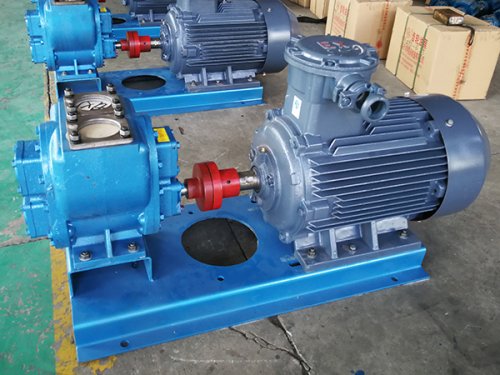
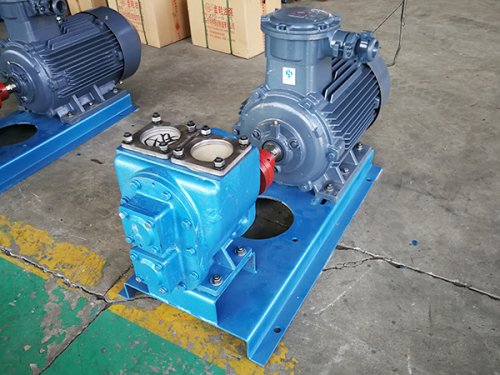
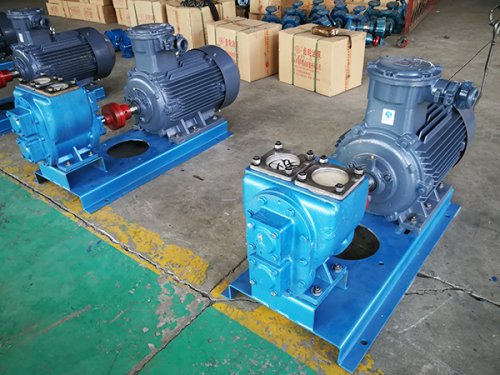
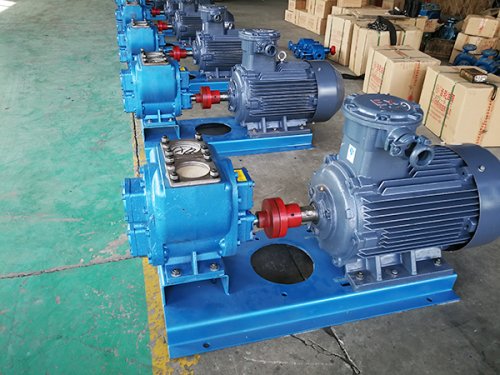
LC piston rotor pump, as a fluid transmission equipment with good speed, has a common application in industrial areas. However, during use, the internal cavity of the pump may be damaged to varying degrees due to factors such as the corrosiveness of the medium, erosion of solid particles, and improper operation. In order to ensure the normal operation and prolong the service life of LC piston rotor pumps, timely repair of the pump cavity is particularly important. The following will discuss in detail the steps, precautions, and preventive measures for repairing the inner cavity of LC piston rotor pump.
1、 Repair steps
1. Disassembly and Inspection
At first, it is necessary to turn off the power of the pump and disconnect all pipelines and cables connected to the pump. Then, following the disassembly guide provided by the supplier, gradually disassemble the pump casing, rotor, stator, and other related components. During the disassembly process, special attention should be paid to recording the position and installation method of each component, so that it can be assembled correctly after the repair is completed.
After disassembly, conduct a comprehensive inspection of the pump cavity, including identification and recording of issues such as wear, corrosion, and cracks. This helps determine the specific scope of repair and the required materials.
2. Cleaning and rust removal
Use appropriate cleaning agents and tools to thoroughly clean the pump chamber, removing all dirt, oil stains, and residues. For rusted parts, sandpaper, wire brush, or sandblasting machine can be used for rust removal treatment. During the processing, be careful not to damage the original surface of the component.
3. Repair and replacement
According to the inspection results, repair or replace the damaged parts inside the pump cavity. For minor wear or corrosion, metal repair agents, coatings, or welding methods can be used for repair. For severe damage such as cracks or fractures, it may be necessary to replace the entire component.
During the repair or replacement process, it is necessary to ensure that the material, size, and performance of the new component match those of the original component, in order to ensure the normal operation and performance of the pump.
4. Assembly and debugging
After the repair is completed, gradually assemble the various components of the pump according to the disassembly records. During the assembly process, special attention should be paid to the installation of seals and the adjustment of clearances to determine the sealing performance and operating speed of the pump.
After assembly, debug and test the pump. During the testing process, it is necessary to check the performance indicators of the pump, such as flow rate, pressure, vibration, and noise, to ensure that they meet the requirements.
2、 Precautions
Stability 1: During the repair process, it is necessary to strictly follow the stability operation procedures and wear the necessary protective equipment, such as gloves, goggles, and protective clothing.
Accurate measurement: During the disassembly and assembly process, each component should be accurately measured to determine its size and clearance accuracy.
Cleaning and lubrication: After the repair is completed, the pump should be completely cleaned and an appropriate amount of lubricating oil or grease should be added to ensure its normal operation.
Regular inspection: In order to promptly detect and address any damage to the pump cavity, it is recommended to regularly inspect and maintain the pump.
3、 Preventive measures
Optimize media: Choose media with low corrosiveness to the pump cavity, or add corrosion inhibitors to reduce the corrosiveness of the media.
Control flow and pressure: Avoid running the pump under overload conditions for a long time to reduce flushing and wear on the pump cavity.
Improve installation quality: Ensure the correct and fixed installation position of the pump, and avoid collisions with other equipment or pipelines.
Choose high-quality materials: When selecting a pump, give priority to using pumps made of materials with good quality and good abrasion resistance.
In summary, the repair of the internal cavity of LC piston rotor pump is a complex and meticulous process that requires technical knowledge and skills. By following the above steps, precautions, and preventive measures, the damage to the pump cavity can be repaired and its service life can be extended. At the same time, it also helps to improve the operating speed and performance of the pump, facilitating the smooth progress of industrial production.