

Current location: ENGLISh > NEWS > Company News >
Common problems in the use of LC piston rotor pump
time:2025-02-15 03:31:07 author:特种泵阀 click:271
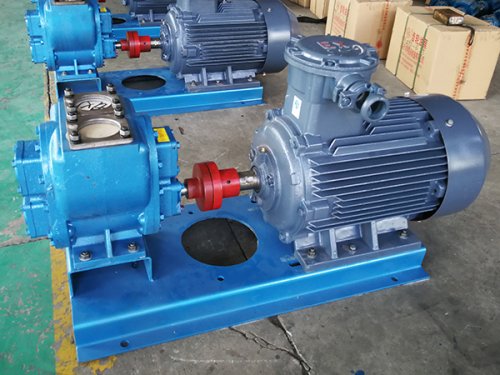
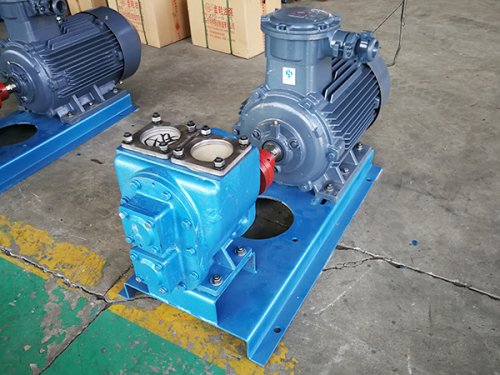
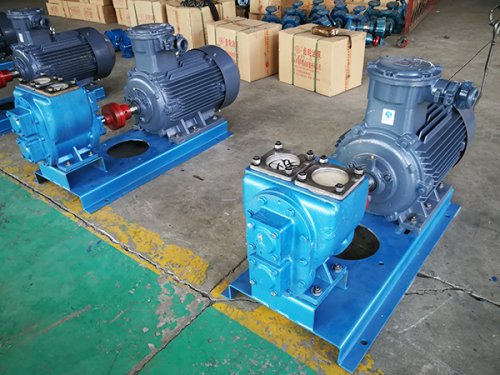
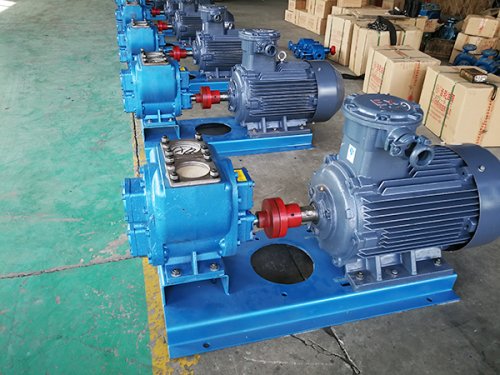
LC piston rotor pump, as a fluid conveying equipment with good speed, has been widely used in industrial areas. However, during use, the pump may also encounter some common issues. The following is a detailed summary and analysis of common problems in the use of LC piston rotor pumps:
1、 Insufficient or unstable traffic
Possible reasons:
Low inlet pressure: If the inlet pressure is insufficient, the pump's suction capacity will be limited, resulting in insufficient flow.
Blockage of inlet pipeline: Impurities or sediments in the inlet pipeline may cause pipeline blockage, affecting flow rate.
Rotor wear: After prolonged use, the rotor may experience increased clearance due to wear, which in turn affects flow rate.
Control valve issue: Poor sealing or improper setting of the control valve may cause fluid leakage, thereby affecting flow rate.
resolvent:
Check the inlet pipeline to ensure that the pressure meets the specified requirements.
Clean the inlet pipeline and ensure it is unobstructed.
Regularly check the wear of the rotor and replace it if necessary.
Check and adjust the sealing and setting of the control valve.
2、 Excessive noise
Possible reasons:
Bearing wear: Bearing wear can cause uneven rotation, resulting in noise.
Coupling eccentricity: Improper installation or excessive eccentricity of the coupling can cause vibration and noise.
Shaft deformation: The deformation of the shaft due to uneven force or prolonged use can also cause noise.
Gas in the pump: When gas is mixed into the pump, it will cause cavitation and increase noise.
resolvent:
Regularly check the wear of bearings and replace them in a timely manner.
Check and adjust the installation of the coupling to determine its concentricity.
Check the deformation of the shaft and repair or replace it if necessary.
Remove the gas from the pump and keep the medium clean.
3、 Leakage issue
Possible reasons:
Aging of seals: Seals may experience aging, wear, and other issues after long-term use, leading to leakage.
Poor assembly: Improper assembly of the pump body or components may result in inadequate sealing.
Excessive pressure: If the working pressure of the pump exceeds its bearing range, it may cause damage to the seals and result in leakage.
resolvent:
Regularly inspect and replace seals to ensure they are in good condition.
Improve assembly accuracy and sealing of pump body and components.
Adjust the work pressure to determine its tolerance range within the pump.
4、 Overheating issue
Possible reasons:
Poor lubrication: Poor lubrication of components such as bearings or gears can lead to increased friction and overheating.
Medium temperature too high: If the temperature of the conveyed medium is too high, it may cause the pump body to overheat.
Poor heat dissipation: Incorrect heat dissipation of the pump body or blocked heat dissipation channels can also lead to overheating.
resolvent:
Regularly check and replace lubricants, lubricate.
Reduce the temperature of the medium or use high-temperature pump body materials.
Improve heat dissipation and ensure that the heat dissipation channels are unobstructed.
5、 Vibration issue
Possible reasons:
Unbalanced rotor: The rotor is unbalanced due to wear or defects, which can cause vibration.
Improper installation: Insufficient installation foundation or precision of the pump can also cause vibration.
Coupling damage: Coupling damage or looseness can transmit unbalanced forces, leading to vibration.
resolvent:
Check and repair the imbalance of the rotor.
Improve the installation accuracy and stability of the pump.
Check and replace damaged couplings.
In summary, LC piston rotor pumps may encounter common problems such as insufficient flow, excessive noise, leakage, overheating, and vibration during use. To address these issues, we need to investigate and handle them from multiple aspects, including checking inlet pressure, cleaning pipelines, replacing worn parts, adjusting control valves, improving assembly accuracy, reducing medium temperature, improving heat dissipation, and repairing rotor imbalance. By implementing these measures, we can solve the problems encountered in the use of LC piston rotor pumps, ensure their stable operation, and extend their service life.